There’s a quiet revolution happening in nail art, and it starts with a tool many overlook: the humble nail file. Specifically, the kind with a gritty, almost sandpaper-like texture that isn’t just for shaping but for *enhancing*. If you’ve ever struggled to create depth in your designs—whether it’s a delicate gradient or a sharp geometric edge—a coarse-grit file might be the missing link.
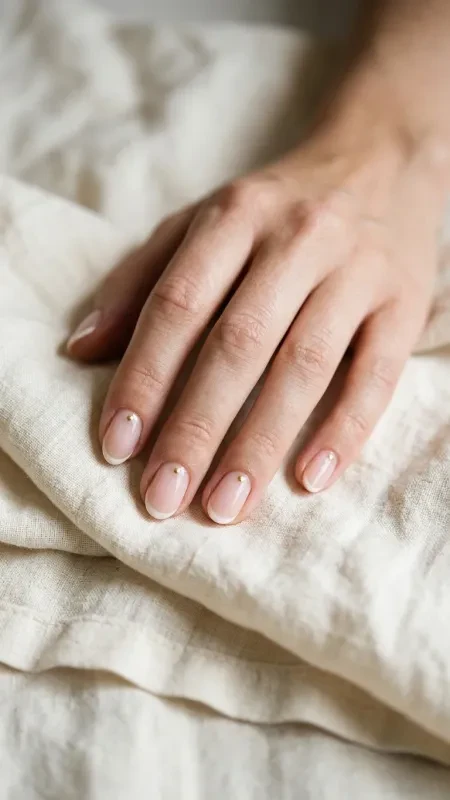
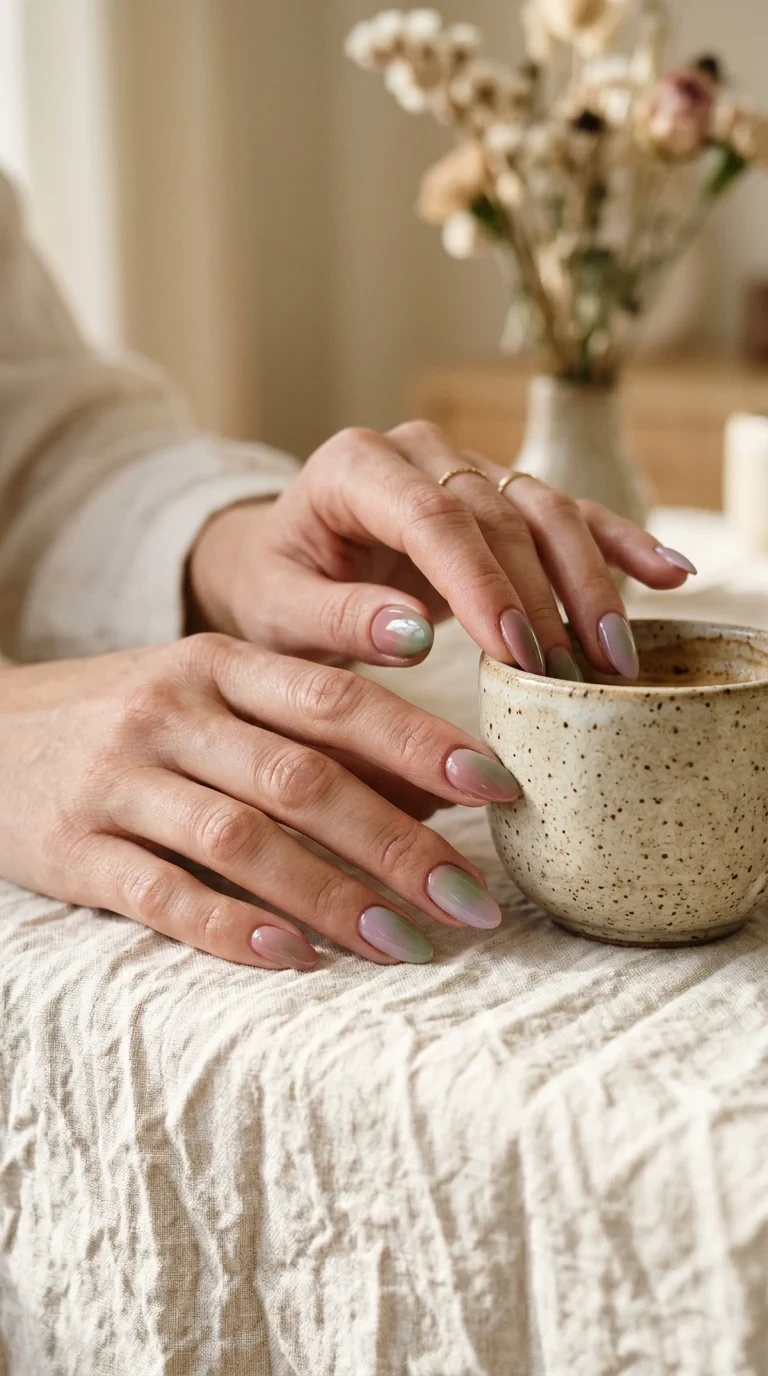
This image captures exactly why texture matters. The file’s uneven surface isn’t a flaw; it’s a feature. When used intentionally, it can rough up the edges of a nail *just enough* to make ink, glue, or even paint adhere differently. Want a softer blend between two colors? A quick pass with this file can create micro-texture that lets pigments merge seamlessly. Need a crisp, defined line for a mandala or negative-space design? The roughness helps the nail art medium grip, reducing smudging and ensuring clean, intentional strokes.
But here’s the twist: this isn’t about brute force. The key lies in *angle* and *pressure*. Holding the file at a low 15-degree angle and applying light, controlled strokes can add subtle dimension without filing down too much natural nail. For nail art enthusiasts who love minimalist aesthetics, this technique is a game-changer—it lets you play with light and shadow on the nail bed itself, turning a flat surface into a canvas with built-in contrast.
Professionals swear by this method for creating ‘frosted’ effects in semi-permanent polish or even as a prep step for intricate freehand designs. The texture doesn’t just help with adhesion; it also acts as a subtle guide for the artist’s hand, allowing for more controlled and deliberate movements. It’s a reminder that sometimes, the most powerful tools in your kit aren’t the ones with the flashiest names—they’re the ones that challenge you to see your craft in a new way.
So next time you reach for a file, consider this: what if the ‘rough’ edges were the ones holding your vision together?