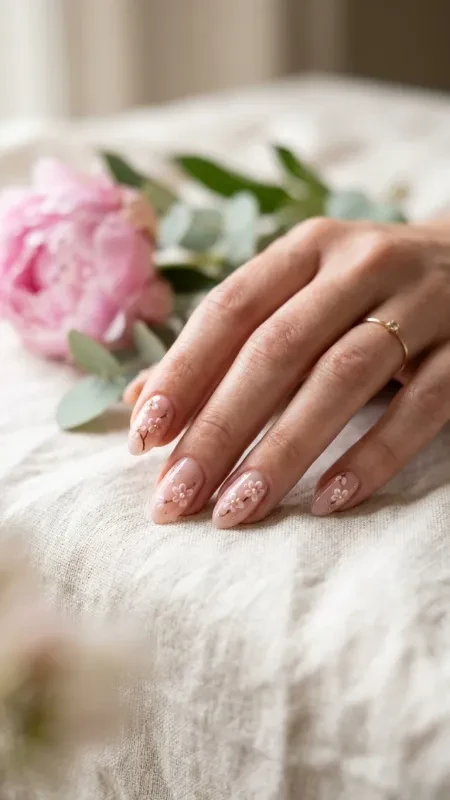
There’s something inherently poetic about nail flowers. They aren’t just decorative—they’re whispers of sentiment, translated into delicate strokes and curves. Imagine a single blooming cherry blossom on a short nail, its stem barely visible, as if suspended in mid-fall. Or a cluster of tiny roses that seem to spill over the edges of the nail like petals shaken from a branch. These aren’t just designs; they’re visual metaphors, capturing moments of grace, melancholy, or celebration.
The magic lies in the details. A well-executed nail flower doesn’t just mimic nature—it distills its essence. Consider the way light plays on petals: the subtle gradient from deep pink at the center to a barely-there blush at the edges, mimicking the way sunlight fades on real blossoms. Even the negative space—the gaps between petals, the faintest suggestion of a stem—becomes part of the narrative. It’s not just about filling the nail; it’s about breathing life into it.
The emotional resonance of nail flowers comes from their impermanence. Unlike bold, geometric designs that demand attention, floral art often feels ephemeral, like a moment frozen in time. A single daisy on a nail can evoke childhood summers, while a wilting rose might carry the weight of a lost love. The viewer’s reaction isn’t just aesthetic; it’s personal. It’s the reason nail flowers feel like a secret shared between the artist and the wearer.
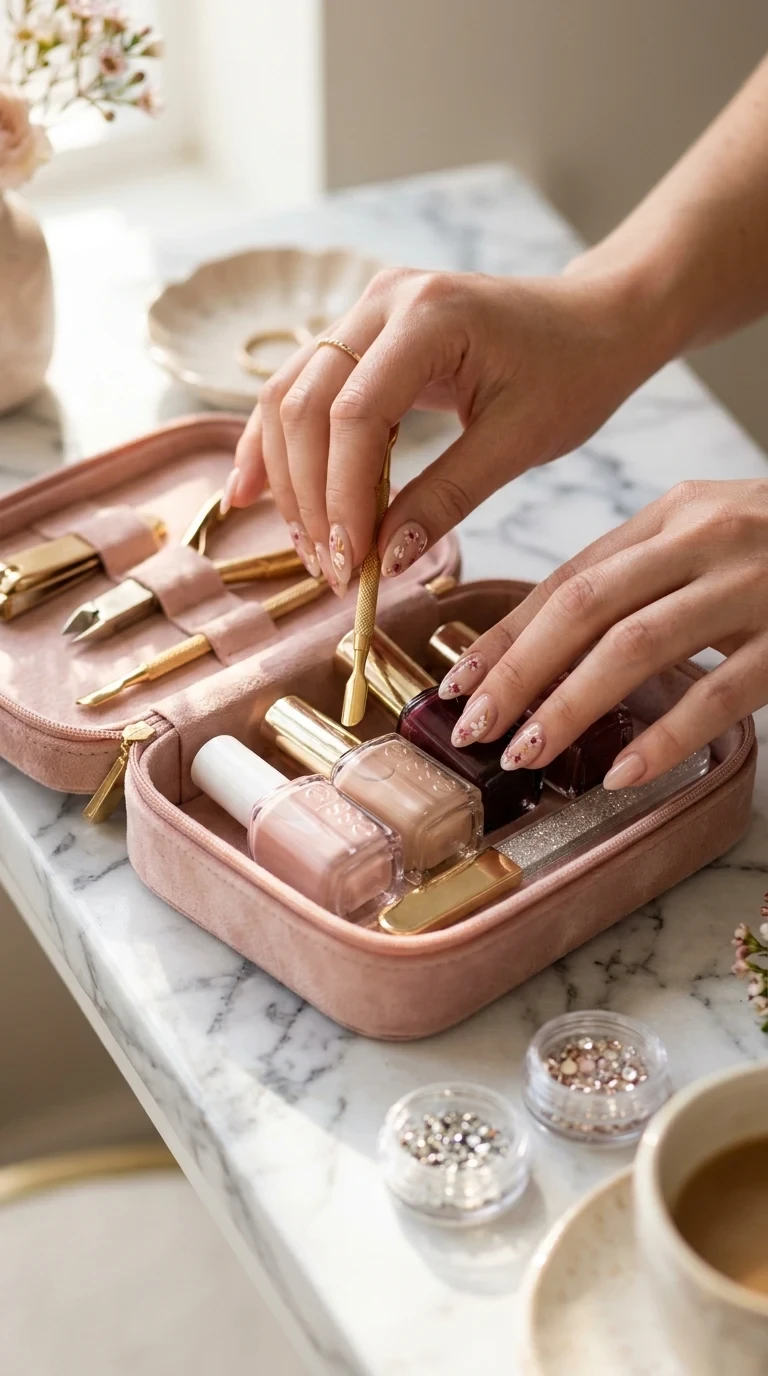
But how do you capture that emotion in your own designs? Start with the brush. A fine-liner brush allows for the precision needed to define each petal, while a tapered brush can soften edges to mimic natural imperfections. Layering is key—building up color from the base ensures depth, so that when light hits the nail at an angle, the flower seems to shimmer. And don’t underestimate the power of texture. A light dry-brushing technique on the petals can create a subtle sheen, as if they’re dusted with morning dew.
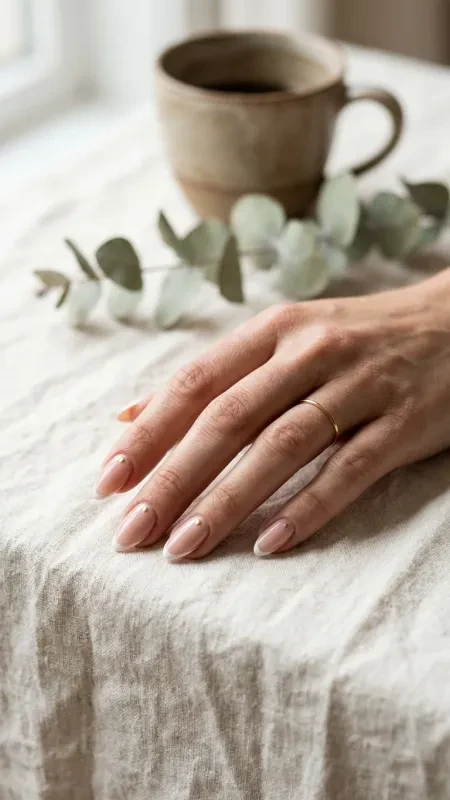
Color plays a crucial role, too. While classic reds and whites are timeless, don’t shy away from unexpected palettes—a soft lavender, a muted sage green, or even a deep plum can transform a flower into something entirely new. The mood shifts with the hue: a pastel flower might feel dreamy, while a jewel tone adds drama. And sometimes, the simplest color—like a single shade of blush—can make the design feel more intimate, as if the flower is just for you.
Lighting is another silent collaborator in floral nail art. Natural light enhances the softness of petals, while artificial light can make colors pop. If you’re photographing your work, angle the light to catch the subtle reflections in the nail polish, as if the flowers are glowing from within. The result? A design that doesn’t just look stunning under harsh studio lights but feels alive in everyday moments.
Finally, think about the placement. A single flower on the thumbnail might feel like a delicate accent, while a full set of coordinated designs can create a cohesive look. For a dramatic effect, consider a half-moon design where the flower seems to bloom from the cuticle, as if it’s just beginning to unfurl. The possibilities are endless, limited only by your imagination—and the quiet, powerful stories you want your nails to tell.